Pipa Stainless Steel Grosir - Stok Kualitas saka Pabrik Langsung China sing Bisa Dipercaya
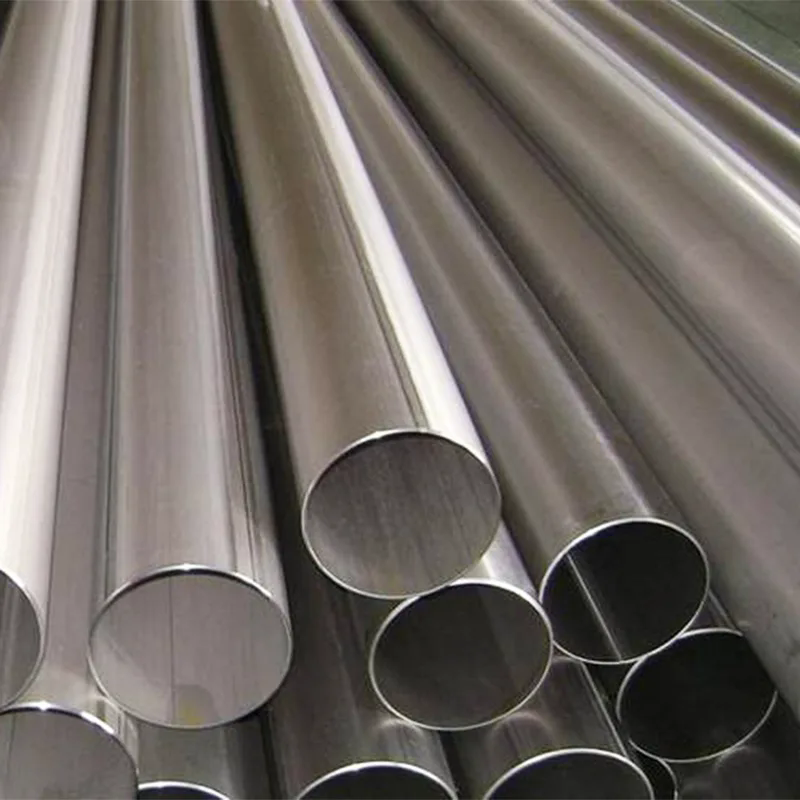
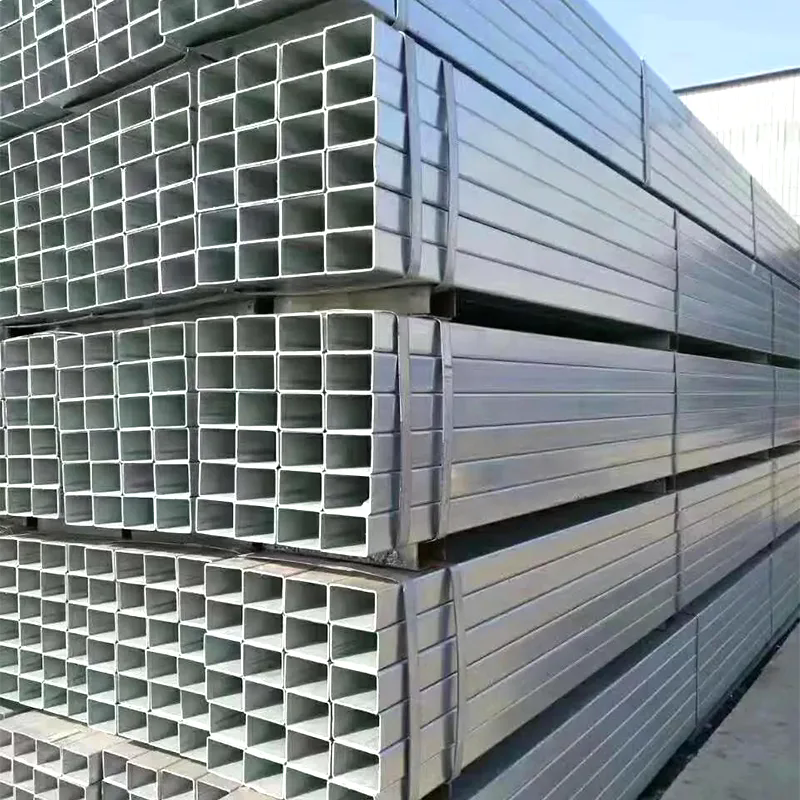
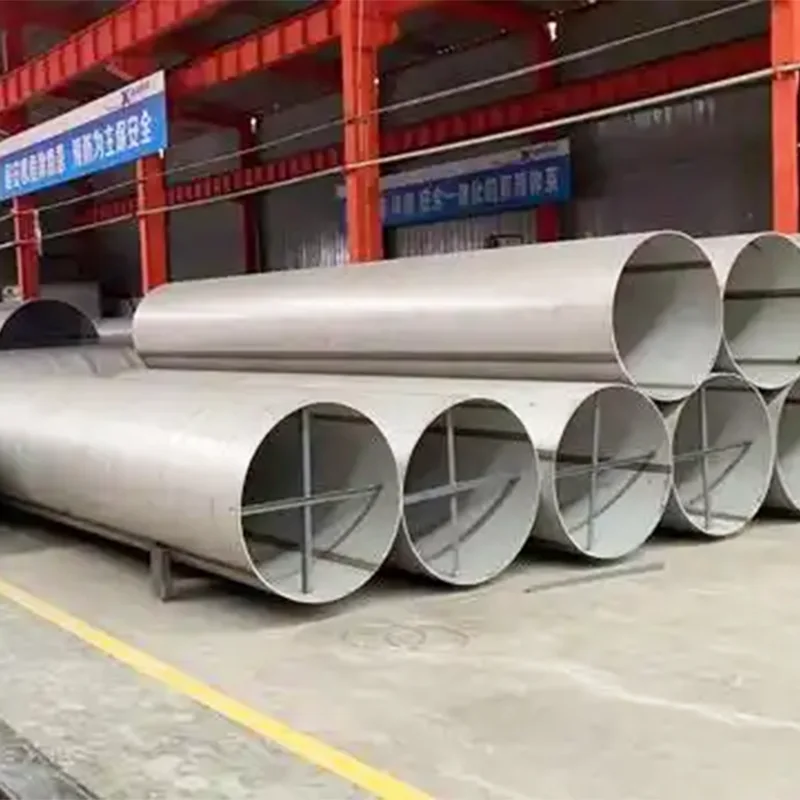
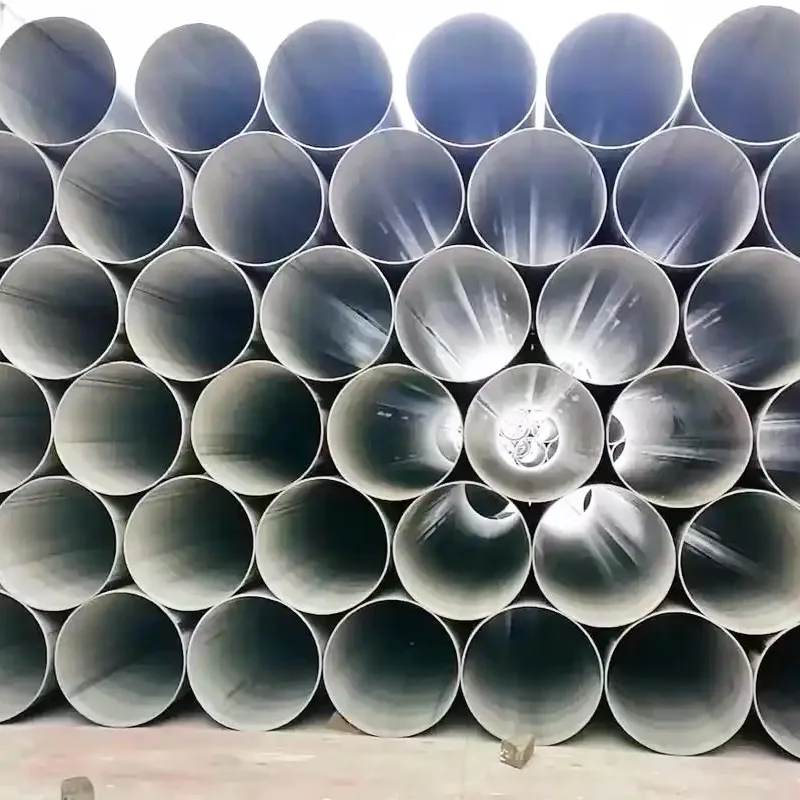
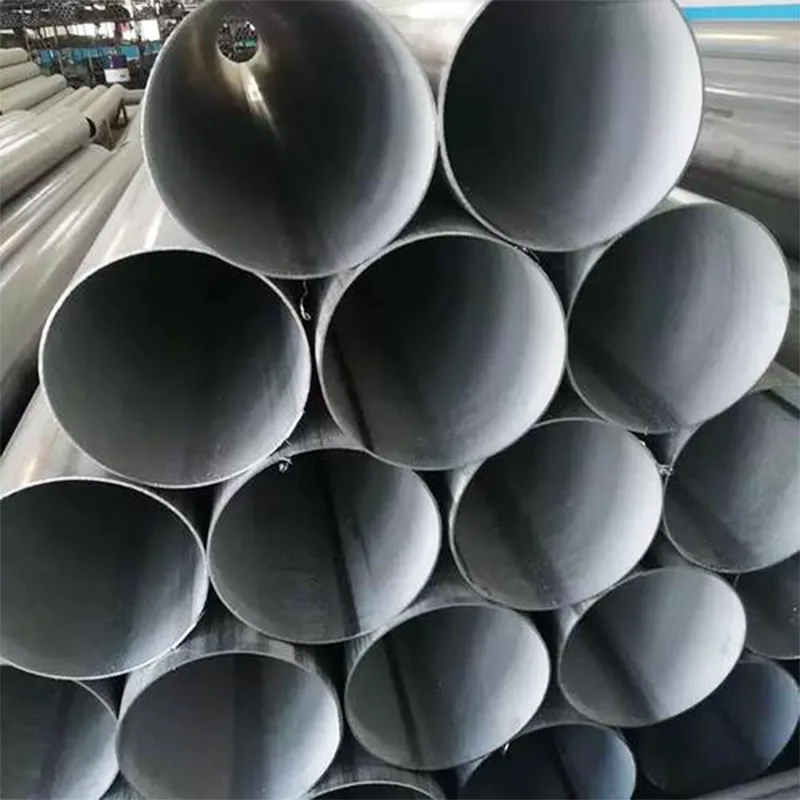
Stainless steel pipes are mainly divided into two categories: seamless stainless steel pipes and welded stainless steel pipes. Their shapes include round, square, rectangular, and oval pipes. According to their uses, they can be divided into industrial fluid pipes, boiler heat-resistant pipes, precision instrument pipes, building decoration pipes, and sanitary food-grade pipes. Commonly used materials include 201, 304, 316L, 321, 310S, and 2205.
Stainless steel pipes have outstanding practical advantages. They have strong rust and corrosion resistance, are not afraid of acids, alkalis, humidity, and coastal salt spray environments, and are not easily oxidized and damaged. They have excellent high and low temperature resistance, stable performance under cold and hot environments, and are not easily deformed or cracked. The inner wall of the pipe is smooth, resulting in low resistance to the transported medium, preventing scaling and blockage, and ensuring high flow efficiency. The material is safe, non-toxic, clean, and hygienic, suitable for drinking water, food, and pharmaceutical transportation. They have high overall mechanical strength, strong pressure resistance, are durable, and have a service life far exceeding that of ordinary pipes. They are also easy to cut and weld, convenient to install, and have low maintenance costs. They are widely used in many fields such as chemical, heating, municipal plumbing, machinery equipment, and environmental protection engineering.
Comparison Table of Common Stainless Steel Welded Pipe Material Parameters
|
Material Types: |
Core Performance Characteristics |
Applicable Temperatures |
Main Application Scenarios |
Value for money |
|
201 |
Weak rust resistance, good toughness, easy to process, moderate corrosion resistance |
Normal Room Environment |
Building decoration, railings, shelves, general household pipe fittings |
Lowest price |
|
304 |
Excellent overall corrosion resistance, strong versatility, easy to weld and form |
≤450℃ |
Water supply and drainage pipes, food processing pipes, general industrial fluid pipes |
Highest value for money |
|
316L |
Molybdenum-added corrosion resistance, strong resistance to chloride ions, acids, and alkalis |
≤500℃ |
Chemical fluids, seawater transportation, medical equipment pipe fittings |
Moderate to high price |
|
321 |
Titanium-containing structure stabilizes, resists intergranular corrosion, good weldability |
≤600℃ |
Boiler pipes, heating pipes, high-temperature welded pipe fittings |
High price |
|
309S |
Excellent high-temperature resistance and oxidation resistance |
900-980℃ |
High-temperature flues, heat treatment furnace piping, heat-resistant air ducts |
Relatively high price |
|
310S |
Ultra-high temperature resistance, top-tier oxidation resistance |
1000-1150℃ |
Incinerator pipes, high-temperature kiln pipe fittings, high-temperature exhaust gas pipes |
Extremely high price |
|
2205 Duplex |
High strength, resistant to stress corrosion and high-chlorine corrosion |
Medium-High Temperature and Strong Corrosion Environment |
Desulfurization pipes, marine engineering, high-salinity wastewater transportation pipes |
High-end and expensive |
What is the price of a 20-foot stainless steel pipe?
For stainless steel pipes of the same material and outer diameter, the thicker the wall, the more material is used and the greater the weight, resulting in a higher price. Thin-walled pipes are cheaper, while thick-walled pipes are more expensive. For common 304 stainless steel welded pipes, a 25mm outer diameter and 2mm wall thickness costs approximately $16, a 50mm outer diameter and 3mm wall thickness costs approximately $49, and a 108mm outer diameter and 4mm wall thickness costs approximately $147. These prices are for reference only. Seamless pipes of the same specifications are slightly more expensive than welded pipes. Prices for all types of pipes steadily increase with increasing wall thickness.
What is the service life of stainless steel pipes?
The service life of stainless steel pipes is not fixed and depends mainly on the material grade, usage environment, wall thickness, processing technology, and maintenance. The typical range is from 10 years to over 100 years. Below are specific lifespan data and key influencing factors for different scenarios:
Service Life of Different Materials
|
Material |
Dry indoor environment |
Typical outdoor environment |
Chlorine-containing environments (e.g., coastal areas) |
Highly corrosive environments (chemical/seawater) |
|
201 |
20-30 years |
10-20 years |
5-8 years (requires frequent maintenance) |
1-3 years (not recommended) |
|
304/304L |
50-100 years + |
30-50 years |
15-30 years |
5-15 years |
|
316/316L |
70-100 years + |
40-60 years |
30-50 years + |
15-30 years + |
|
321/310S |
60-100 years + |
40-50 years |
25-40 years |
20-30 years |
|
2205 Duplex Stainless Steel |
70-100 years + |
50-70 years + |
50 years + |
30-50 years + |
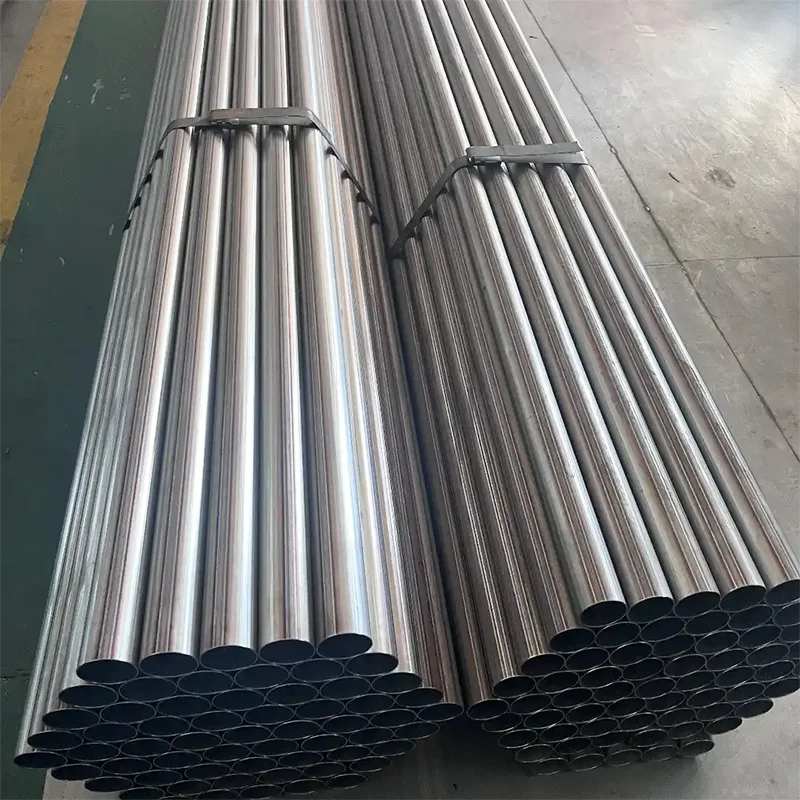
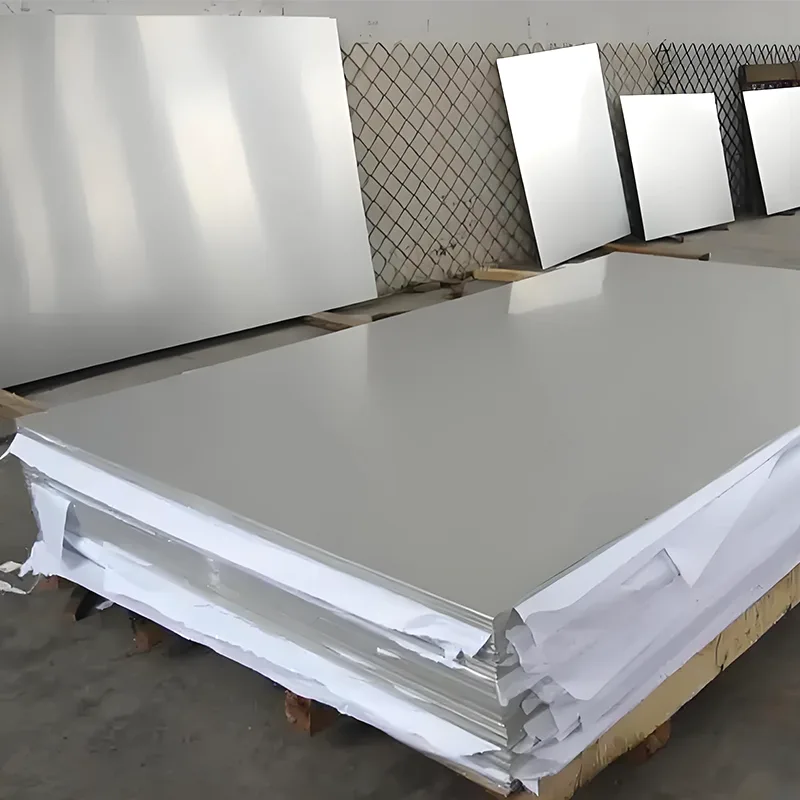
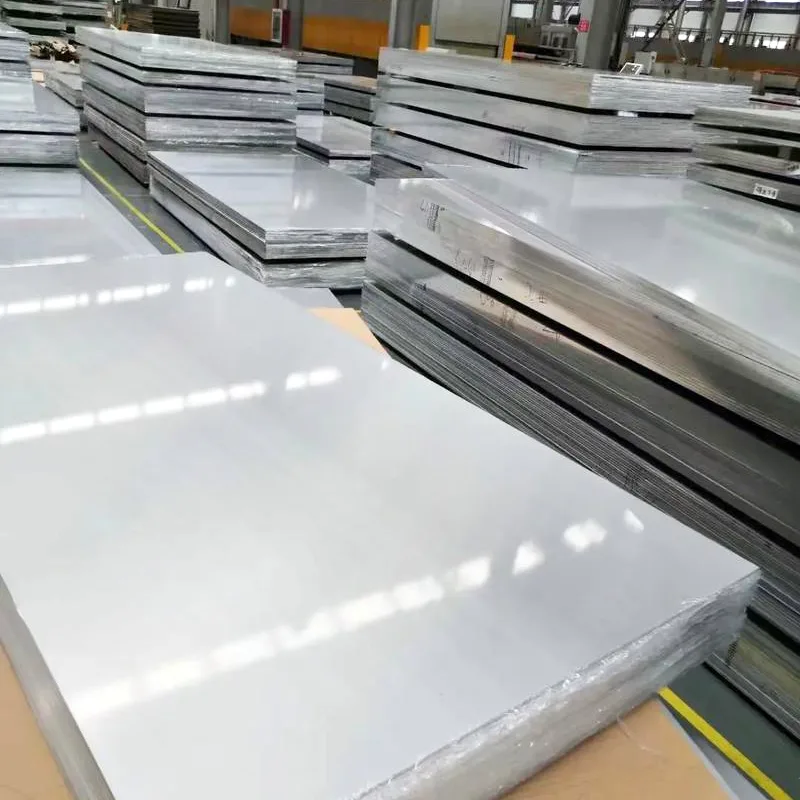
- View as
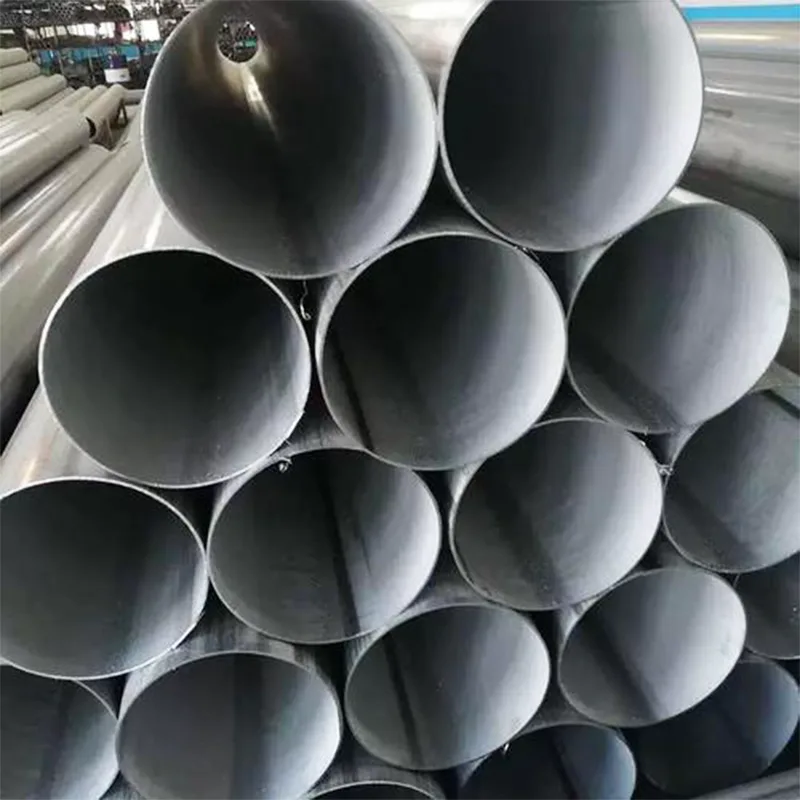
2507 Stainless Steel Welded Pipa
Produsen pipa las stainless steel 2507 duwe persediaan sing akeh, kanthi diameter njaba saka 16-219mm, ketebalan tembok saka 0.8-6mm, lan dawa standar 6 meter. Ukuran lan dawa khusus kasedhiya ing panyuwunan. Perawatan polishing lan sikat didhukung. Pipa iki akeh digunakake ing desulfurisasi gas buang, rekayasa banyu laut, lan pipa kanggo bahan kimia sing banget korosif.
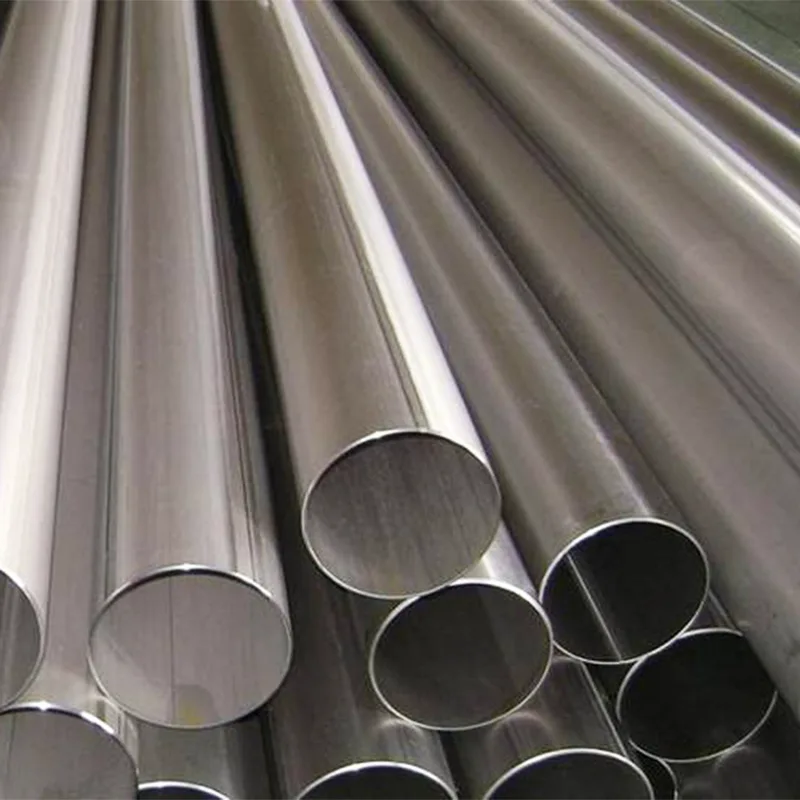
2205 Stainless Steel Welded Pipa
Pipa las stainless steel 2205 kasedhiya ing diameter njaba 10-3000mm, ketebalan tembok 0.5-30mm, lan dawa standar 6m / 12m. pangolahan welding utamané TIG / MIG, karo pickling lumahing lan passivation. Cara sambungan kalebu welding lan flanges. Pangolahan khusus kasedhiya kanthi wektu pangiriman sing cendhak lan dipercaya.
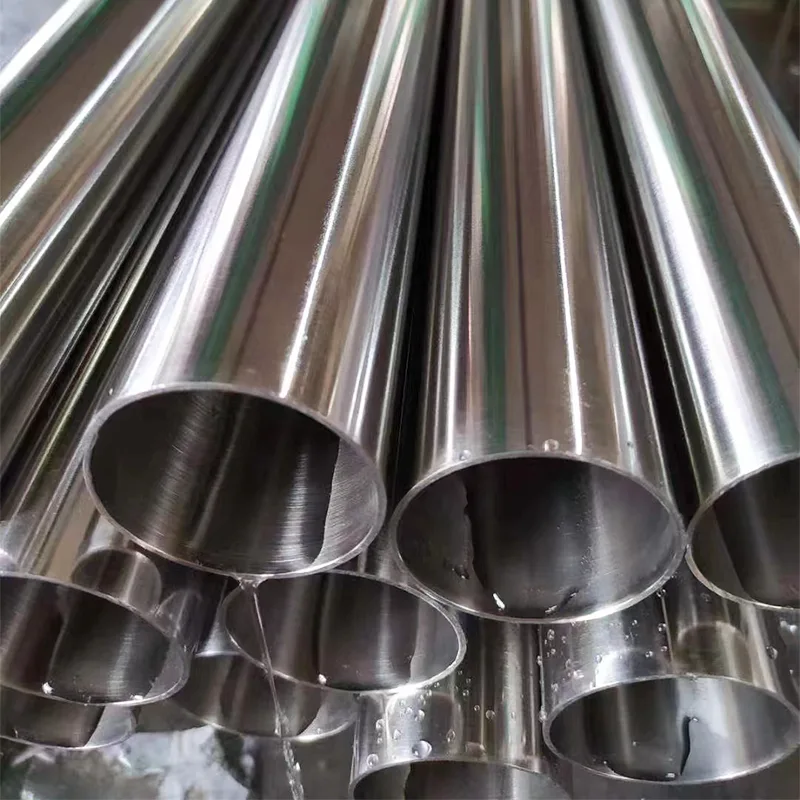
254 Stainless Steel Welded Pipa
Pipa las baja tahan karat 254, umum dikenal minangka pipa las 254SMO, minangka jinis pipa las stainless steel super austenitik, cocog karo nomer UNS S31254 lan kelas Jerman 1.4547. Iki kalebu seri baja tahan karat super 6-molybdenum lan dijenengi kanggo isi molybdenum kira-kira 6%. Iku dudu baja duplex, nanging baja tahan karat austenitik paduan dhuwur, nduweni resistensi dhuwur banget kanggo korosi pitting, korosi celah, lan retak korosi stres.
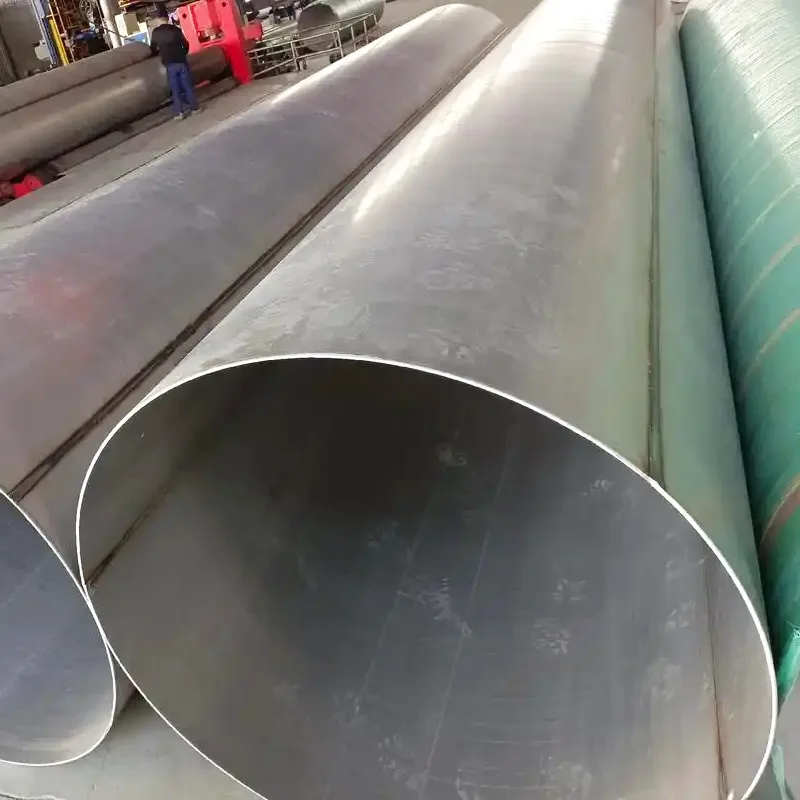
Pipa Las Stainless Steel 309S
Pipa las stainless steel 309S nduweni isi kromium lan nikel sing dhuwur, tahan suhu dhuwur banget, lan bisa tahan suhu nganti 1000 ℃ kanggo wektu sing suwe. Uga nuduhake resistance kuwat kanggo oksidasi suhu dhuwur lan lemes termal. Nggabungake resistance karat apik lan weldability, iku ora rawan kanggo deformasi lan retak ing lingkungan suhu dhuwur. Produsen pipa las stainless steel Cina sing unggul nyaranake 309S minangka pilihan sing cocog kanggo pipa industri suhu medium lan dhuwur kayata flues suhu dhuwur, kiln industri, lan peralatan perawatan panas.
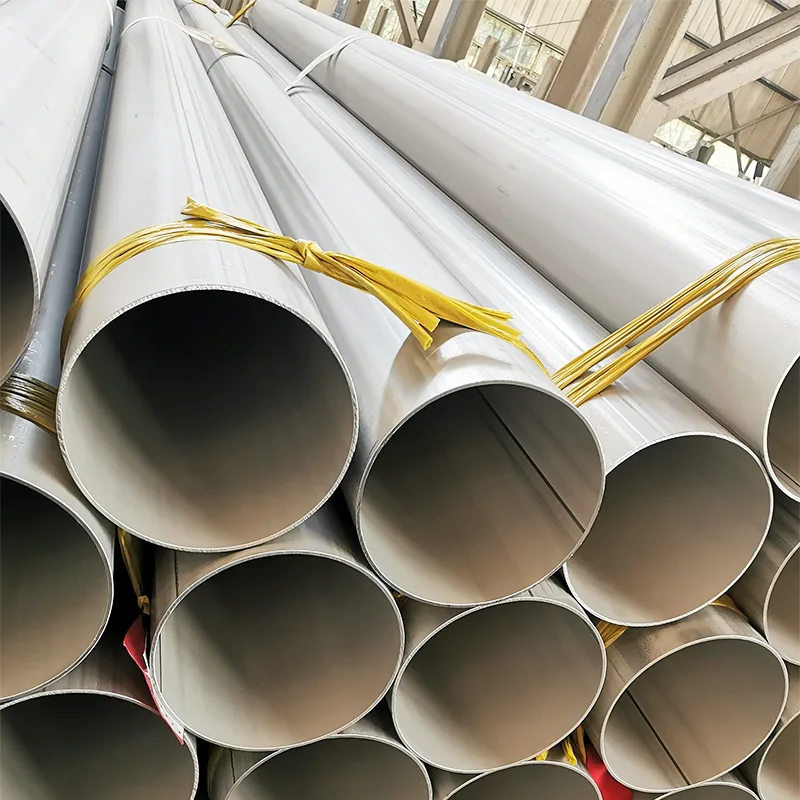
321 Stainless Steel Welded Pipa
321 stainless steel gandheng pipe incorporate titanium, èfèktif nyandhet karat intergranular, nggawe kurang rentan kanggo teyeng lan retak sawise welding, lan mameraken stabilitas termal banget. Nduwe resistance suhu dhuwur sing apik, ora gampang cacat ing kahanan panas lan kadhemen gantian, nduweni plastisitas sing apik kanggo gampang diproses lan dibentuk, lan tahan lemes sing kuwat. Produsen pipa las stainless steel Cina nyaranake bahan 321 minangka pilihan sing cocog kanggo pipa ketel, peralatan termal, lan pipa pertukaran panas suhu dhuwur.
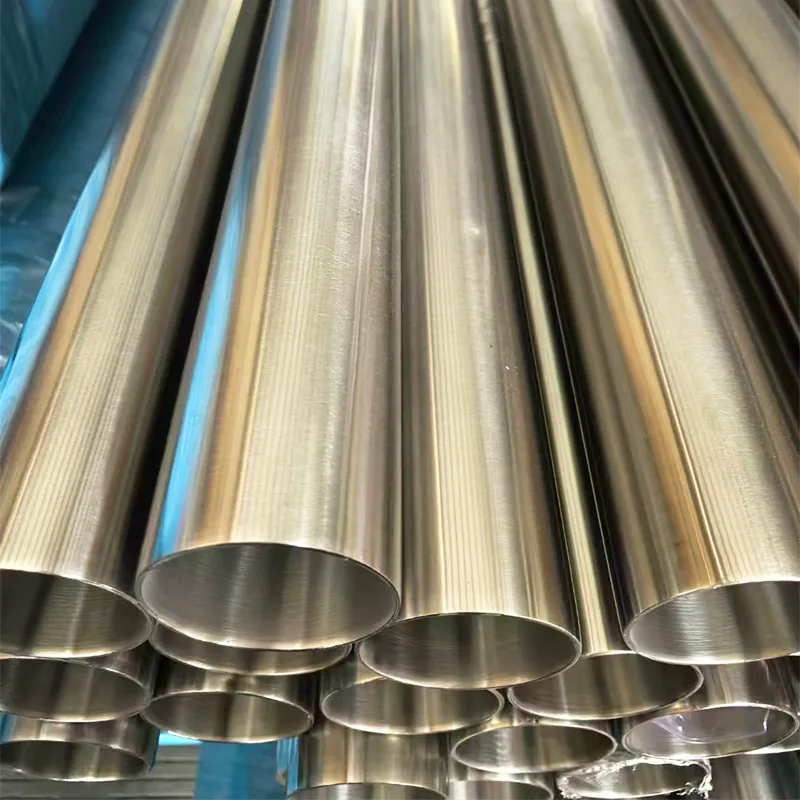
Pipa Las Stainless Steel 310S
Kauntungan inti saka pipa las stainless steel 310S yaiku tahan suhu dhuwur, bisa tahan terus-terusan 1150 ℃ lan tahan jangka pendek 1200 ℃. Pabrik Inovasi Utama ing China biasane nyedhiyakake spesifikasi ing ngisor iki: diameter njaba 16-219mm, ketebalan tembok 0.8-5.0mm, dawa standar 6 meter, lan ndhukung pesenan khusus.
Lingchuang minangka produsen lan pemasok profesional Pipa Stainless Steel Kab ing China. Sugeng rawuh kanggo ngimpor produk kualitas saka pabrik kita ing kene.